|
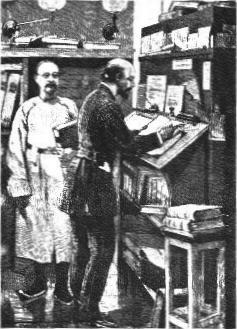
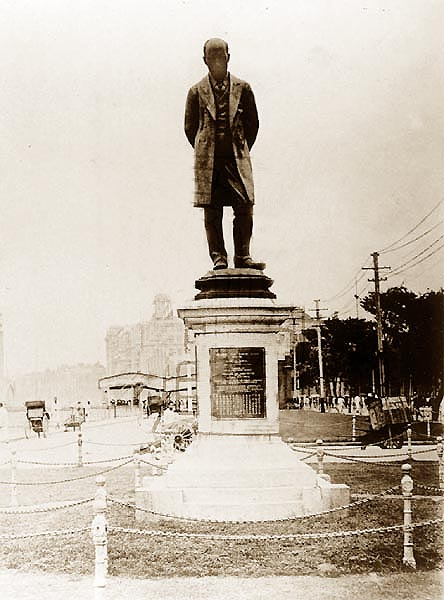
A brief history of Robert Hart |
| 1835 |
February 20, born in Portadown, County Armagh, Northern Ireland |
| 1845 |
sent to Wesleyan School in Taunton, Somerset; studied Latin for 2 years and also Arithmetic, Interest and Fractions
|
| 1848 |
sent to Wesley Connexional School in Dublin; drilled in Latin, Greek, English, French, mathematics, as well as Scripture History and Hebrew
|
| 1851 |
Matriculated from Queen's College and gained a scholarship at the beginning of each year; later received gold medals for Literature, Logic and Metaphysics |
| 1853 |
B.A. and Senior Scholar, Queens's College, Belfast |
| 1854 |
Gained nomination from British Foreign Office; July, arrived Hong Kong on steamship "The Pottinger"; serving in the Superintendency of trade; Sep., appointed to the British Consulate in Ningpo, official job was as a supernumary interpreter |
| 1858 |
March, sent to the city of Canton as Secretary to the Allied Commission; Oct., promoted interpreter at the British Consulate |
| 1859 |
Resigned from the British Consulate and joined the Chinese Imperial Maritime Customs |
| 1861 |
H.N. Lay, the Inspector General of Customs was attacked, severely wounded and sent home to England, Hart made Acting Inspector Generals in his place; suggested to Tsungli Yamen that it would be to China's advantage to eastablish a national post office |
| 1862/3 |
Travelled up and down the land establishing new offices in Ningpo, Foochow, Amoy, Swatow, Chingkiang and Tientsin |
| 1863 |
Lay was dismissed because of the "Lay-Osborn Flotilla Incident"; Hart appointed Inspector-General |
| 1864 |
Visited Formosa (Taiwan) to inspect the new customs house there |
| 1865 |
By the Treaty of Tientsin, the Chinese government was obliged to convey mail for the theaty Powers, Customs was entrusted with the duty and started the conveyance of mail |
| 1866 |
Granted six months leave for home and took 5 Chinese with him to Europe; fallen in love with Hester Jane in Portadown, married in Dublin on the 22nd August and back to Peking |
| 1873 |
Instructed Campbell to open the Chinese Customs Office in London |
| 1875 |
Helped to settle difficulties between G.B. and China; conferred M.A., (Honorary) Queen's University, Belfast |
| 1876 |
His work in 1875 resulted in Chefoo Convention and a turning point for the development of the Customs Post |
| 1878 |
Went to the Paris Exhibition as President of the Chinese Government's Commission |
| 1882 |
Conferred LL.D. (Honorary) Queen's University, Belfast |
| 1884/5 |
With Campbell successfully teaming-up to handle the Ferry Affair and ratified the Li-Fournier Convention with France in Annam, Indochina |
| 1885 |
Offered the post of British Minister in China; immediately relinquished as he felt he could do better work for China in the Maritime Customs Service |
| 1886 |
Conferred LL.D. (Honorary) Mitchigan University, U.S.A. |
| 1891 |
Organized first brass band in China |
| 1894/5 |
Advocated necessary reform in China |
| 1897 |
Tariff revision and Haikuan (Customs) Teal gold unit proposal; Inauguration of the Chinese Imperial Post Office |
| 1898 |
To get the shipping companies on-side with the national post office, Hart offered to them a discount of 50% of the off-hours loading fee, in exchange for these not carrying mail for private letter companies |
| 1900 |
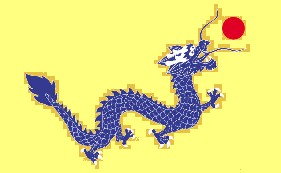
Hart's office, home and practically all of his records were destroyed in the Boxer Rebellion |
| 1901 |
Organized Native Customs Service |
| 1908 |
Took "leave of absence" and returned to England, never to return to China again; conferred Freeman of Belfast, London and the Borough of Taunton |
| 1911 |
September 20, died in England |
 |
INDEX |
REFERENCES |
LINKS |
|
INDEX |
REFERENCES |
LINKS |
 |
|